
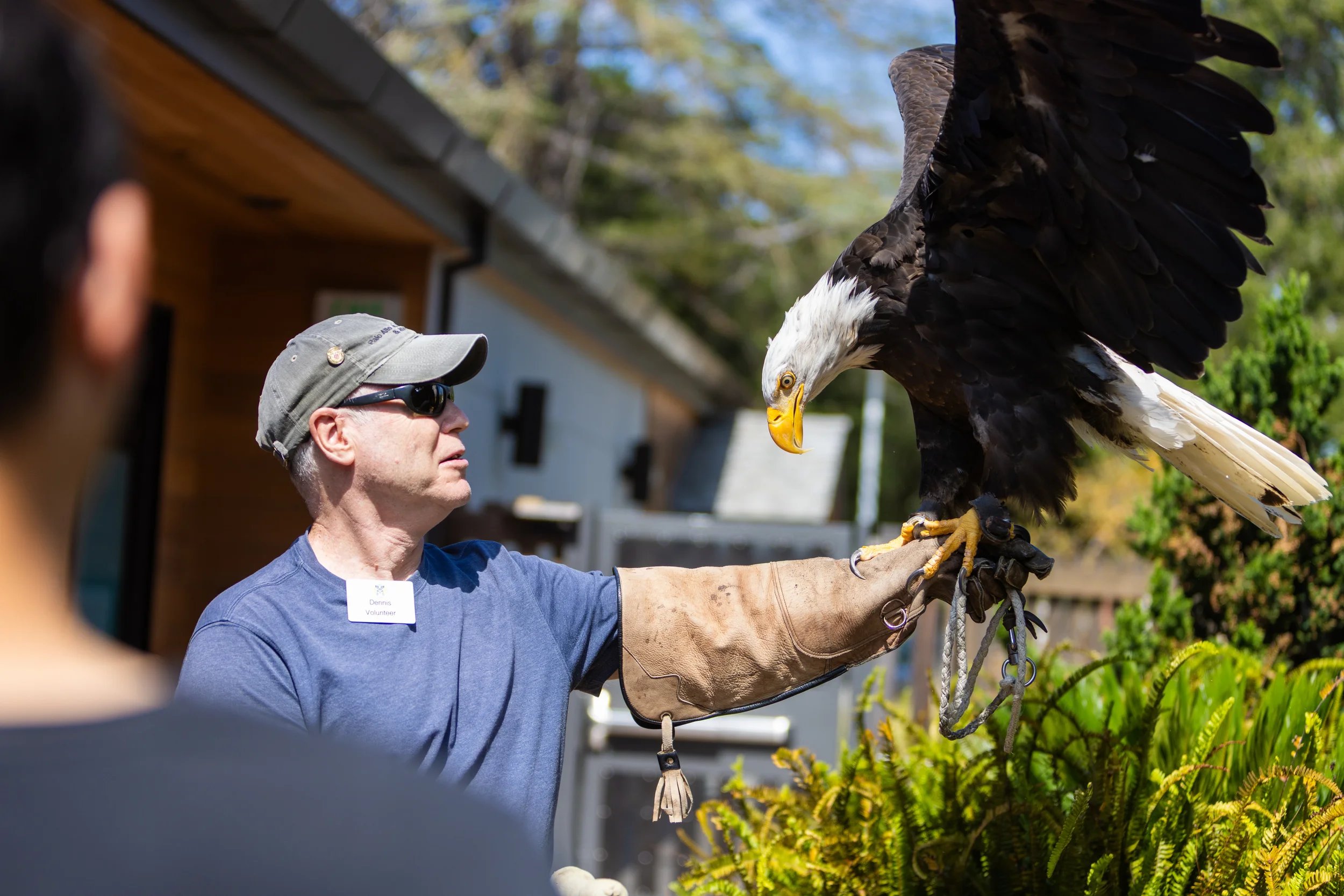
Sponsor
an Animal
Sponsor an Animal
Do you have a favorite furry, feathered, or scaly friend at the JMZ? Now is your chance to Sponsor an Animal and help fund specialized diets, veterinary care, habitat maintenance, and enrichment activities that contribute to the exceptional care of the more than 50 animal species calling the JMZ home.
To recognize your commitment to the JMZ’s animals, you will receive:
A welcome packet including a Certificate of Animal Sponsorship, exclusive JMZ stickers, and a magnet
Annual zookeeper updates about your sponsored animal
A personalized birthday card from your sponsored animal
Donation recognition on the Friends’ website, annual report, and JMZ Donor Wall
Access to The Wonder Circle and all benefits associated with your giving level
Whether you choose to sponsor an animal yourself or on behalf of your favorite animal enthusiast, your support is appreciated and tax-deductible. An animal sponsorship makes a great gift for birthdays, holidays, or graduations.
Choose Your Animal to Sponsor
Note: Animal sponsorships do not grant ownership rights or direct support to a specific animal. By symbolically sponsoring an animal, you not only help with the exceptional care of that animal, but also support general zoo support, science education, accessibility efforts and exhibits at the JMZ.
-
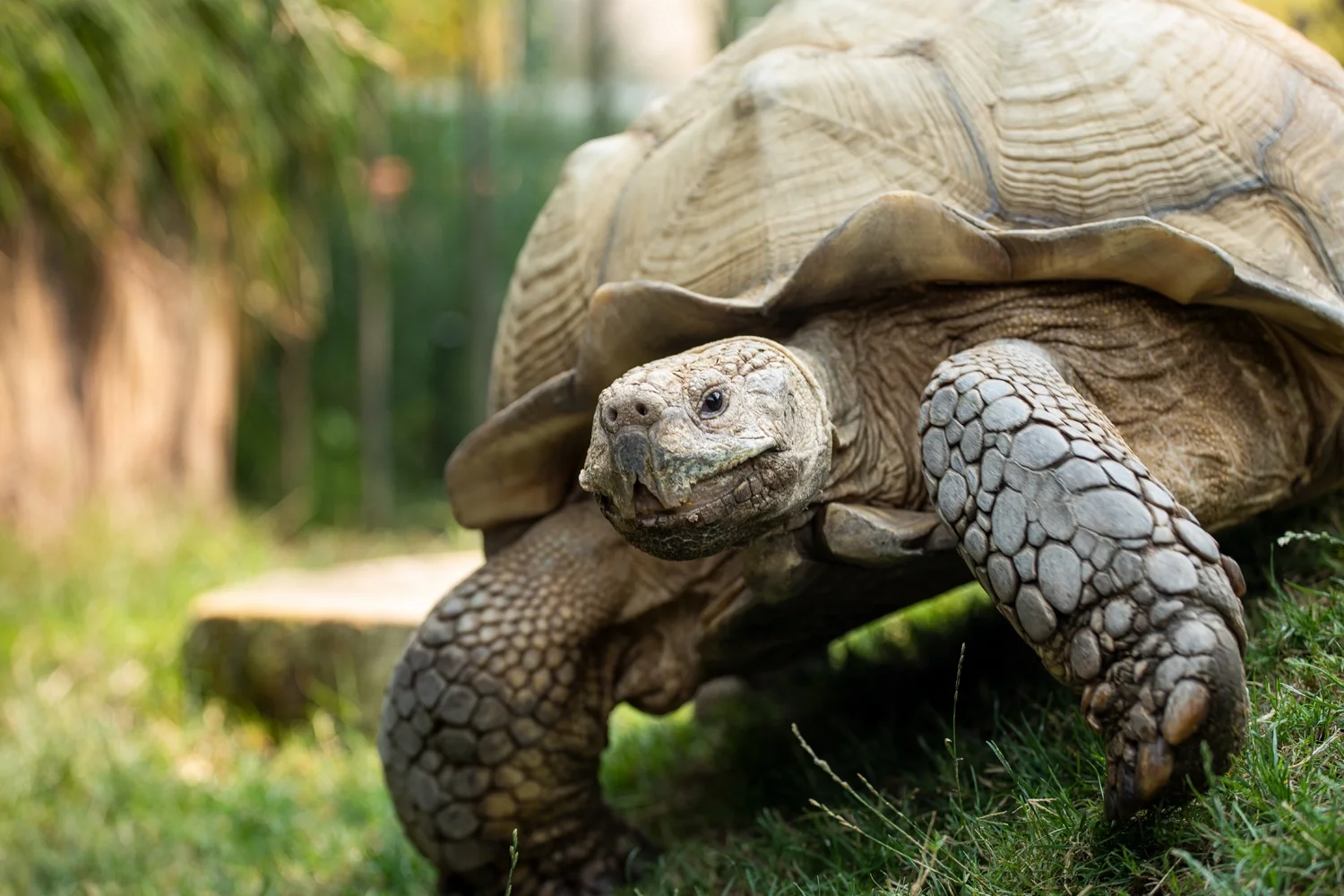
The African spurred tortoise receives a carefully managed herbivorous diet of leafy greens, vegetables, and grasses that support long-term health and daily wellbeing. Offering food in ways that encourage movement, browsing, and exploration helps keep the tortoise active and engaged. His wading pool and heated cave also contribute to a more enriching life.
-
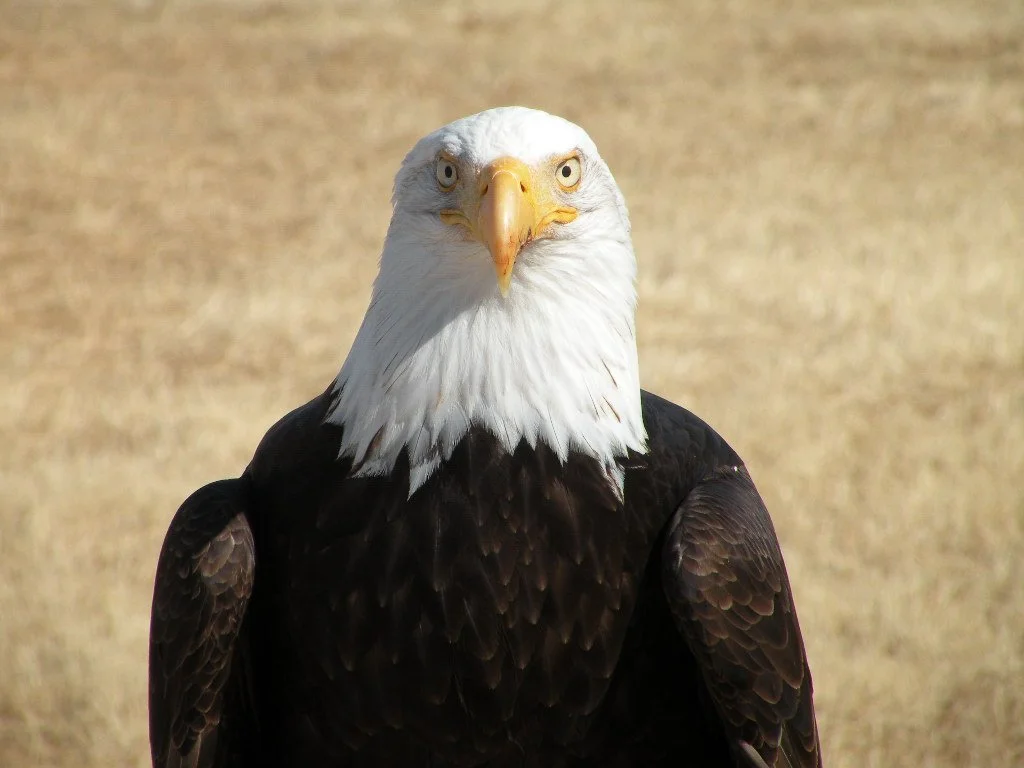
The bald eagle requires customized care, including a carefully managed diet consisting of specialty fish, rats, and quail. For this geriatric animal, consistency, nutrition, and individualized care are especially important. Enrichment activities that encourage observation, engagement with its environment, and mental stimulation help maintain wellbeing and quality of life.
-
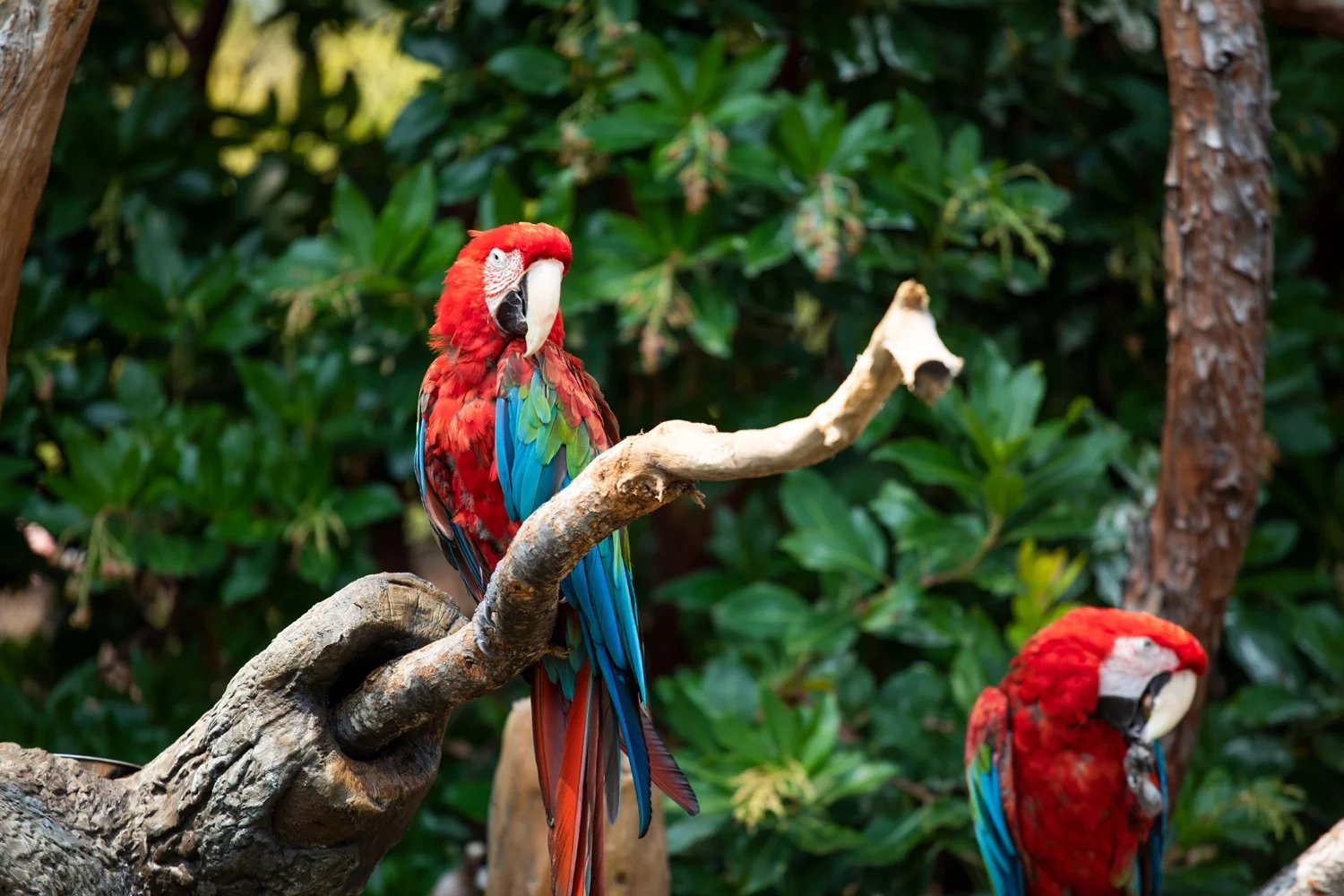
The macaws receive a varied diet that includes species-specific pellets, fresh produce, nuts, and other nutritional support to help maintain their health and wellbeing. As highly intelligent and social animals, they also rely on daily enrichment like puzzle feeders, climbing structures, chewable materials, and training activities that encourage natural behaviors and curiosity.
-
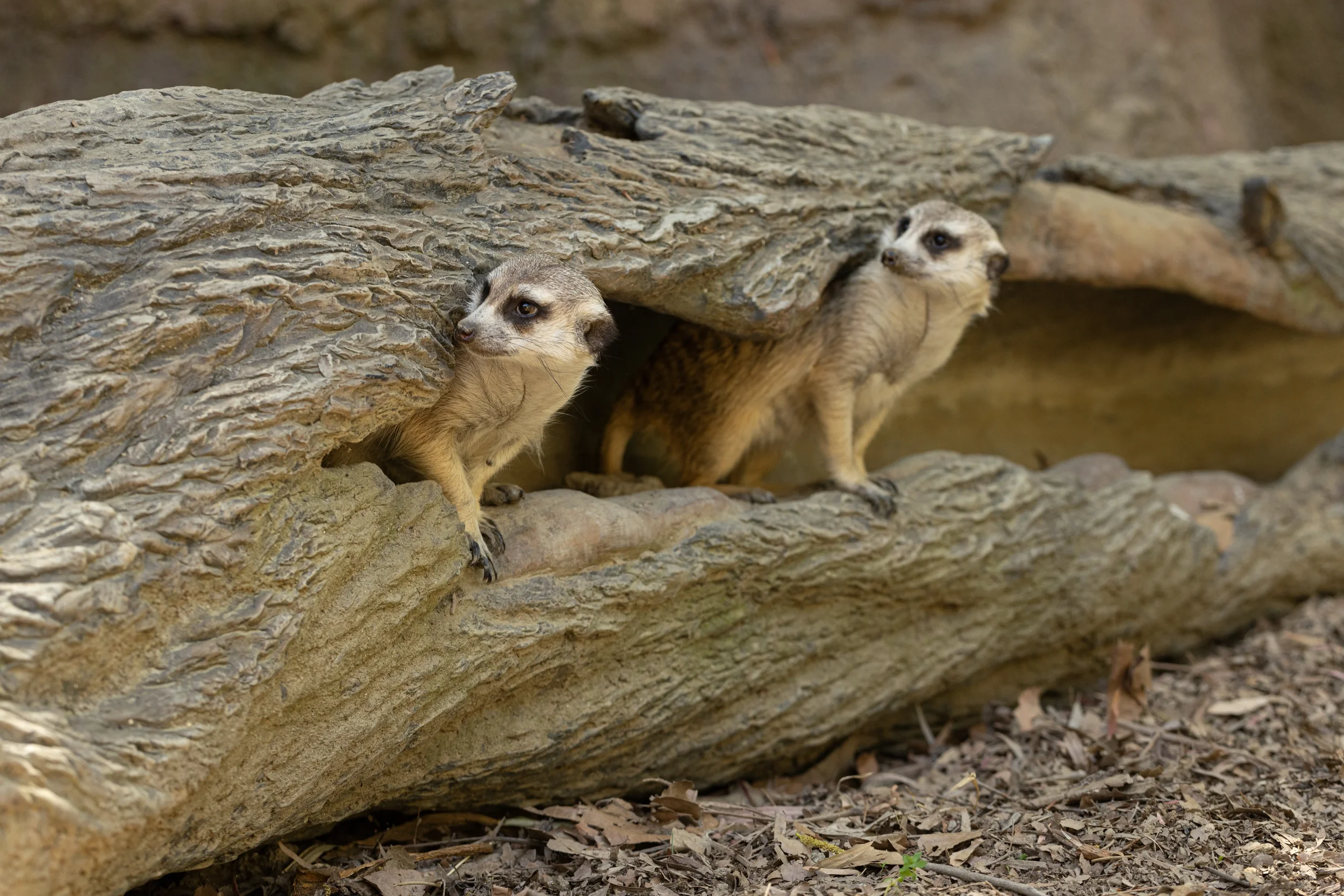
Meerkats are active and social animals that require a carefully balanced diet to support their high energy needs. Meerkats are naturally inquisitive and spend much of their time searching, digging, and investigating their surroundings. Daily enrichment and social engagement keep the group healthy, curious, and thriving.
-
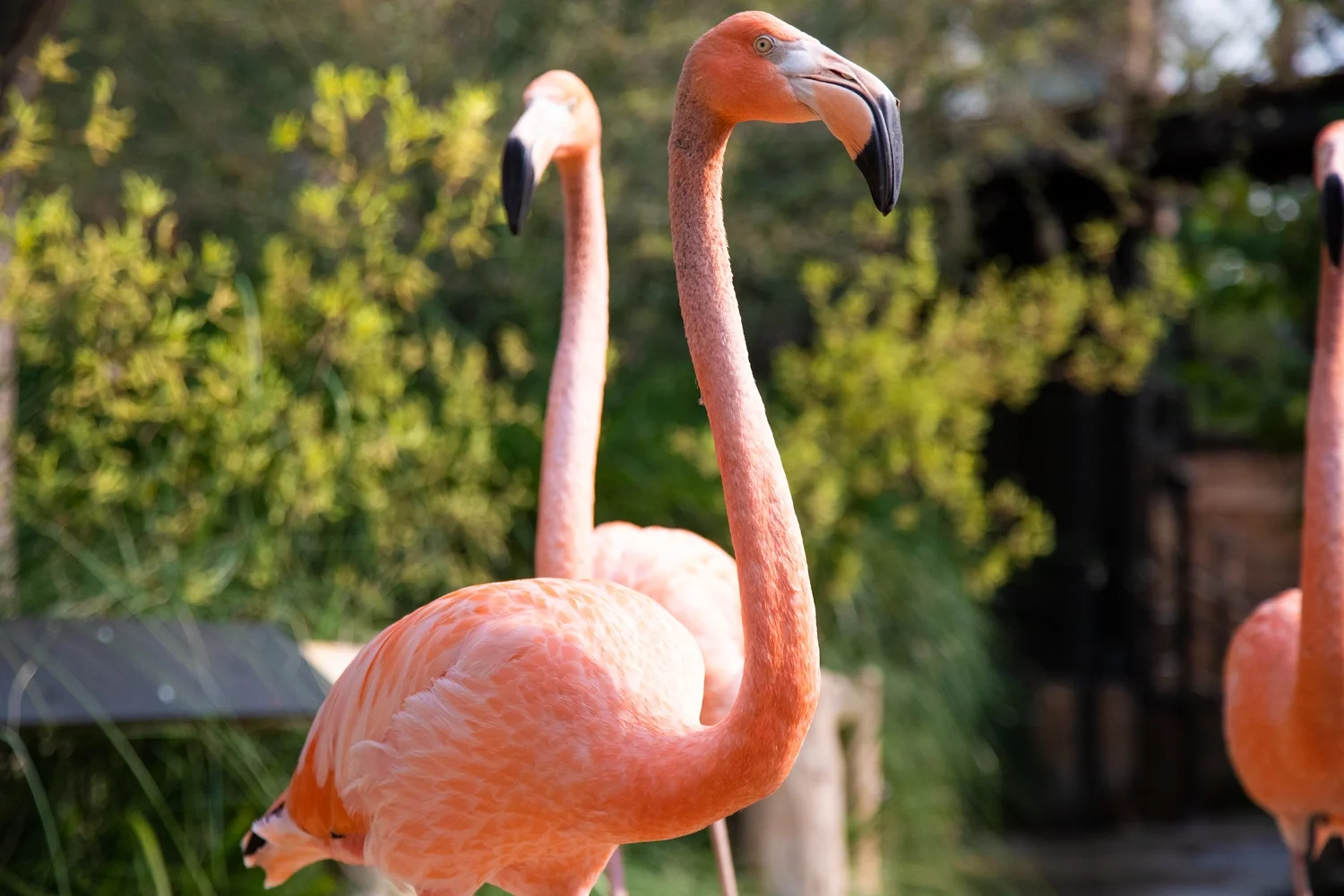
The flamingo flock receives a carefully formulated specialty diet - something our guests help with every day! The diet is tailored to meet flamingos’ unique nutritional needs – after all, their diet is what gives flamingos their coral-pink coloration! Flamingos are highly social birds, and thoughtfully designed habitats encourage natural social behavior.
-
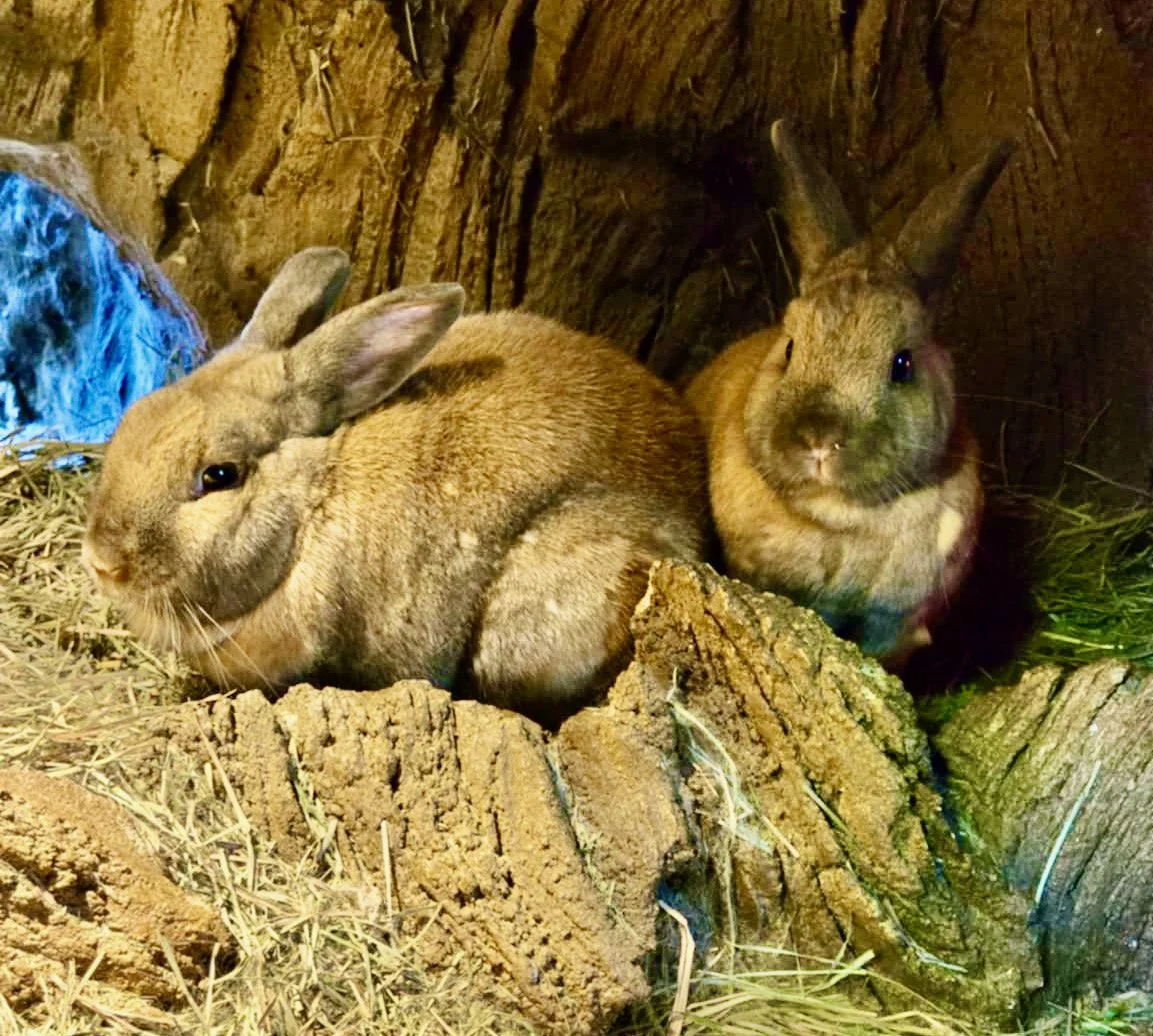
The rabbits thrive on a carefully balanced diet that includes hay, leafy greens, pellets, and fresh vegetables. Enrichment such as hay-based activities, chew-safe materials, hidden treats, and opportunities to explore different textures encourages natural behaviors and keeps them active and engaged.
-
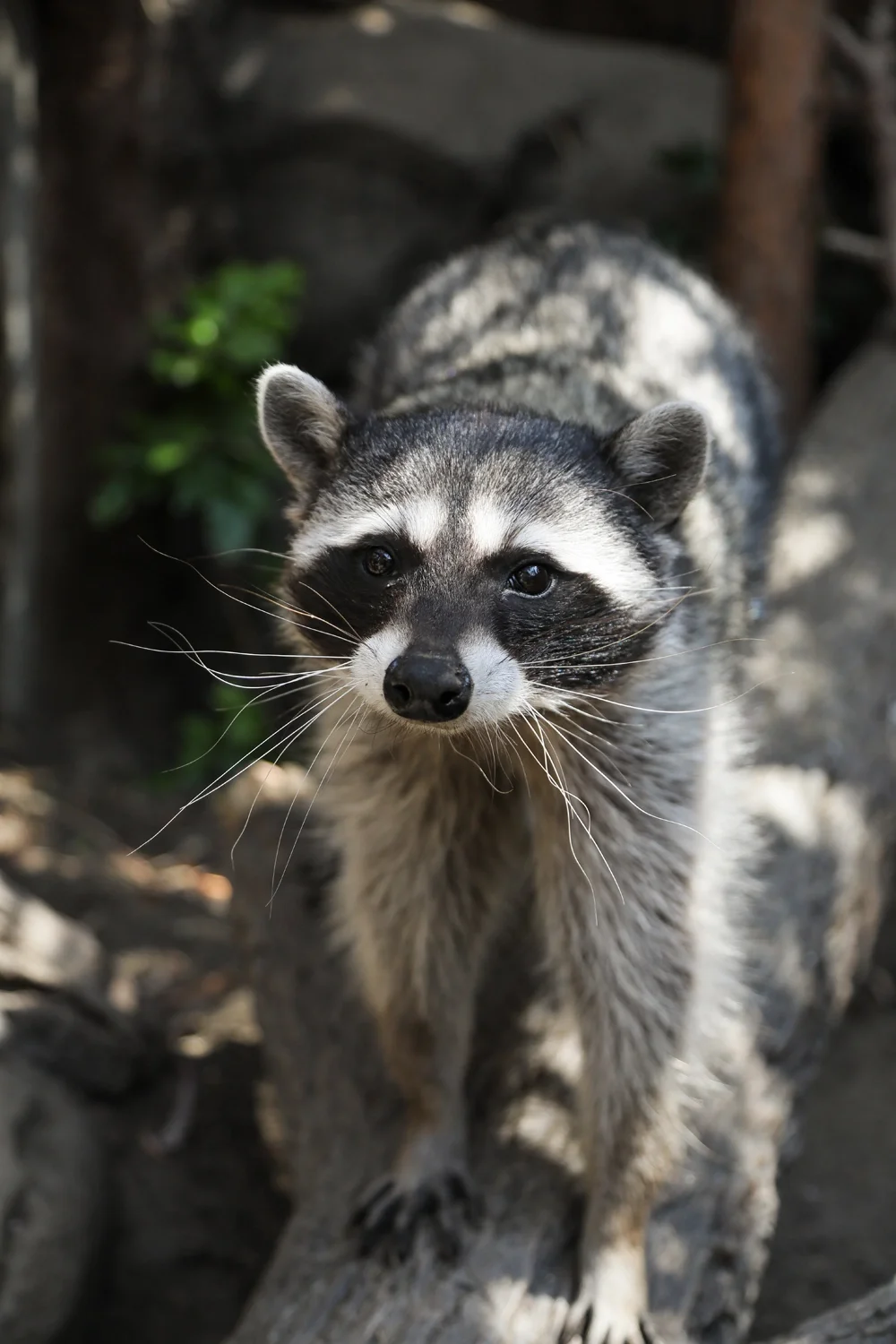
The raccoons are omnivorous animals that receive a varied diet that includes fruits, vegetables, and greens, as well as protein items like eggs, nuts, meat, rodents or quail. Raccoons are naturally curious, intelligent animals that benefit from enrichment encouraging investigation, manipulation, and problem-solving.
-
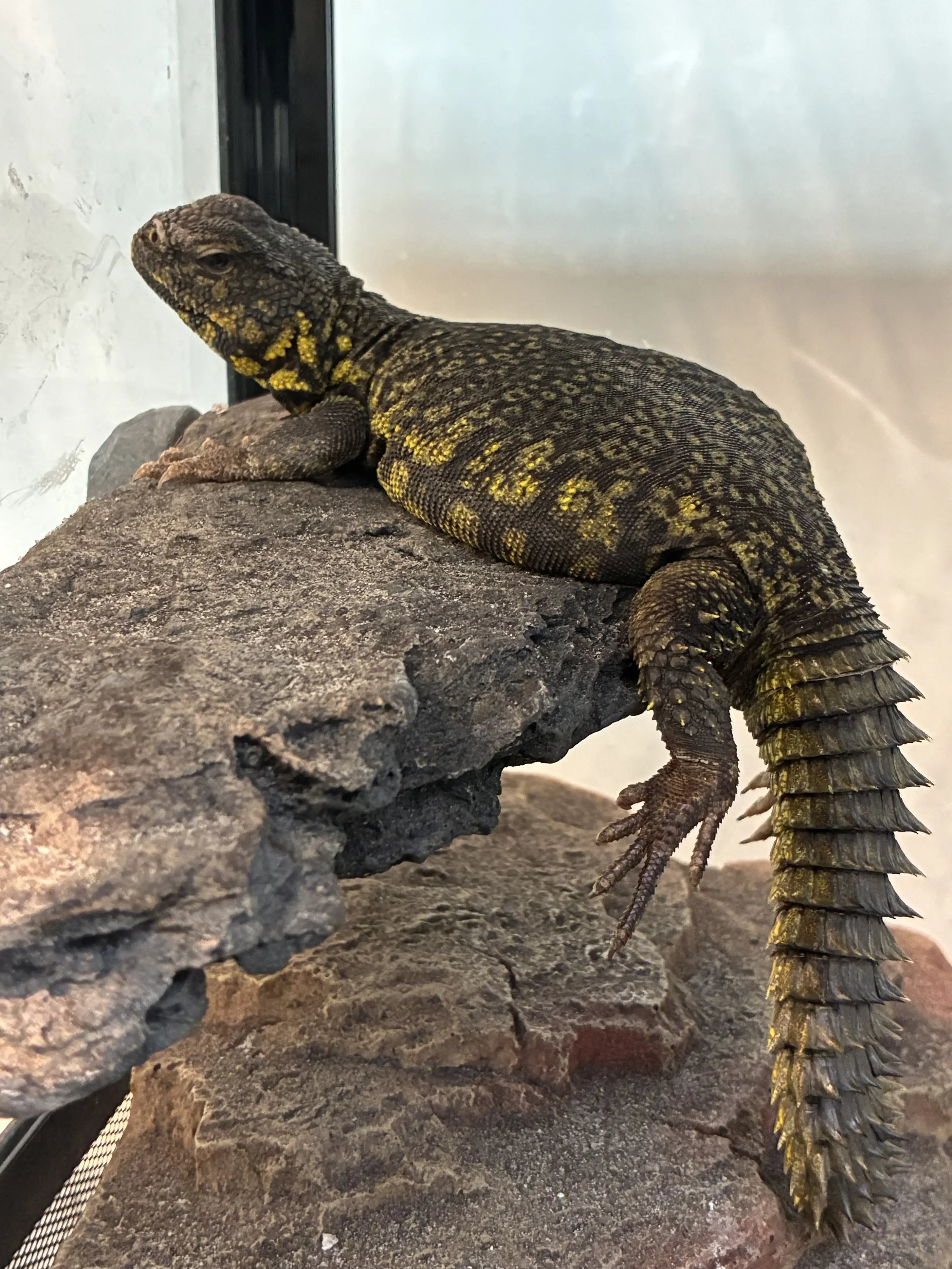
The uromastyx is a desert-dwelling, spiny-tailed lizard that thrives in a thoughtfully designed habitat that includes climbing structures, basking areas, and live plants to encourage exploration and natural behaviors. Enrichment opportunities, including an exercise wheel and varied spaces to climb and rest, help support physical activity.
-
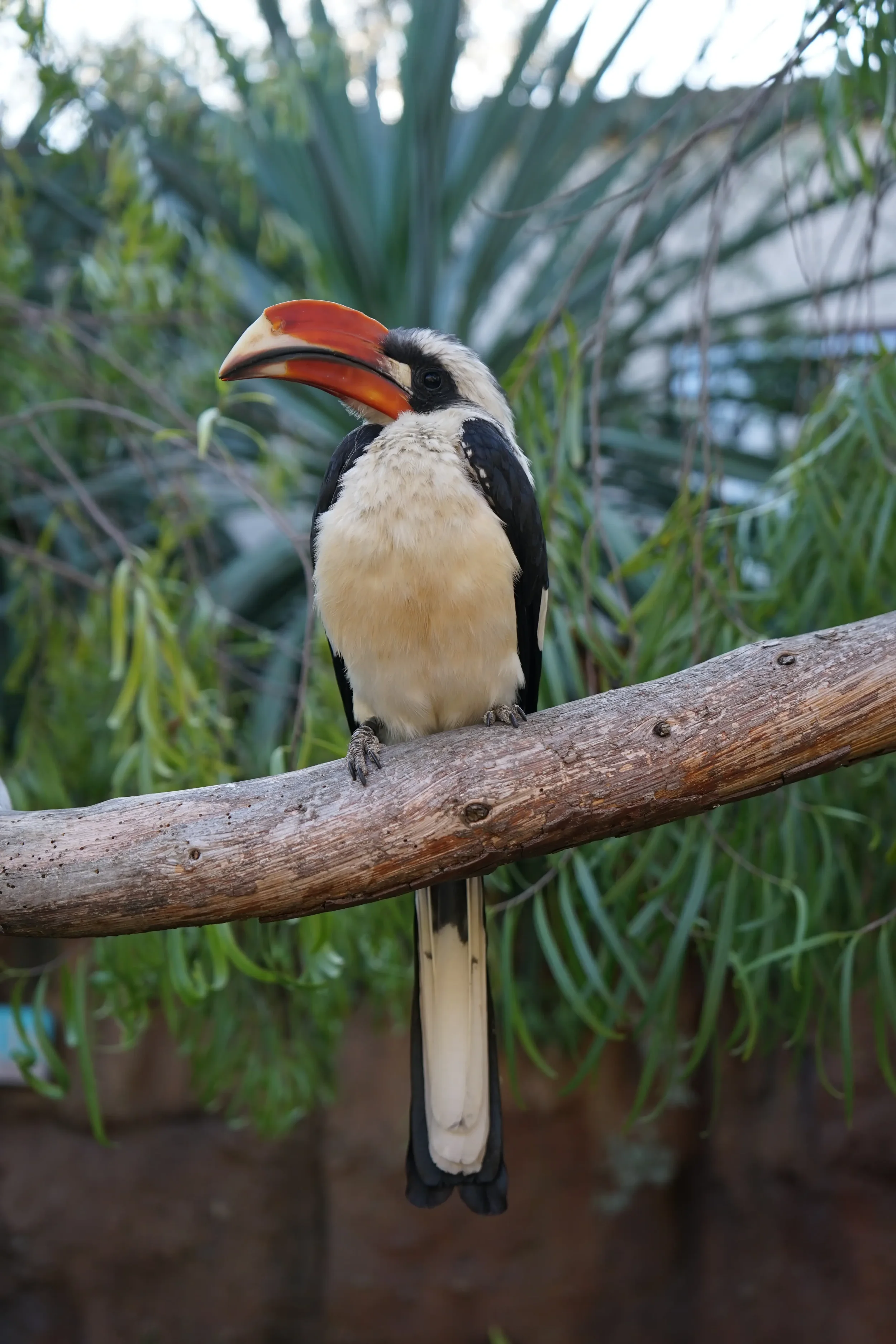
The Von der Decken’s Hornbill receives a specialized diet designed for the needs of a unique bird species in a mixed species habitat. Daily care also includes enrichment and habitat features that encourage movement and activity, helping create a stimulating environment that supports healthy routines and species-appropriate behavior.